

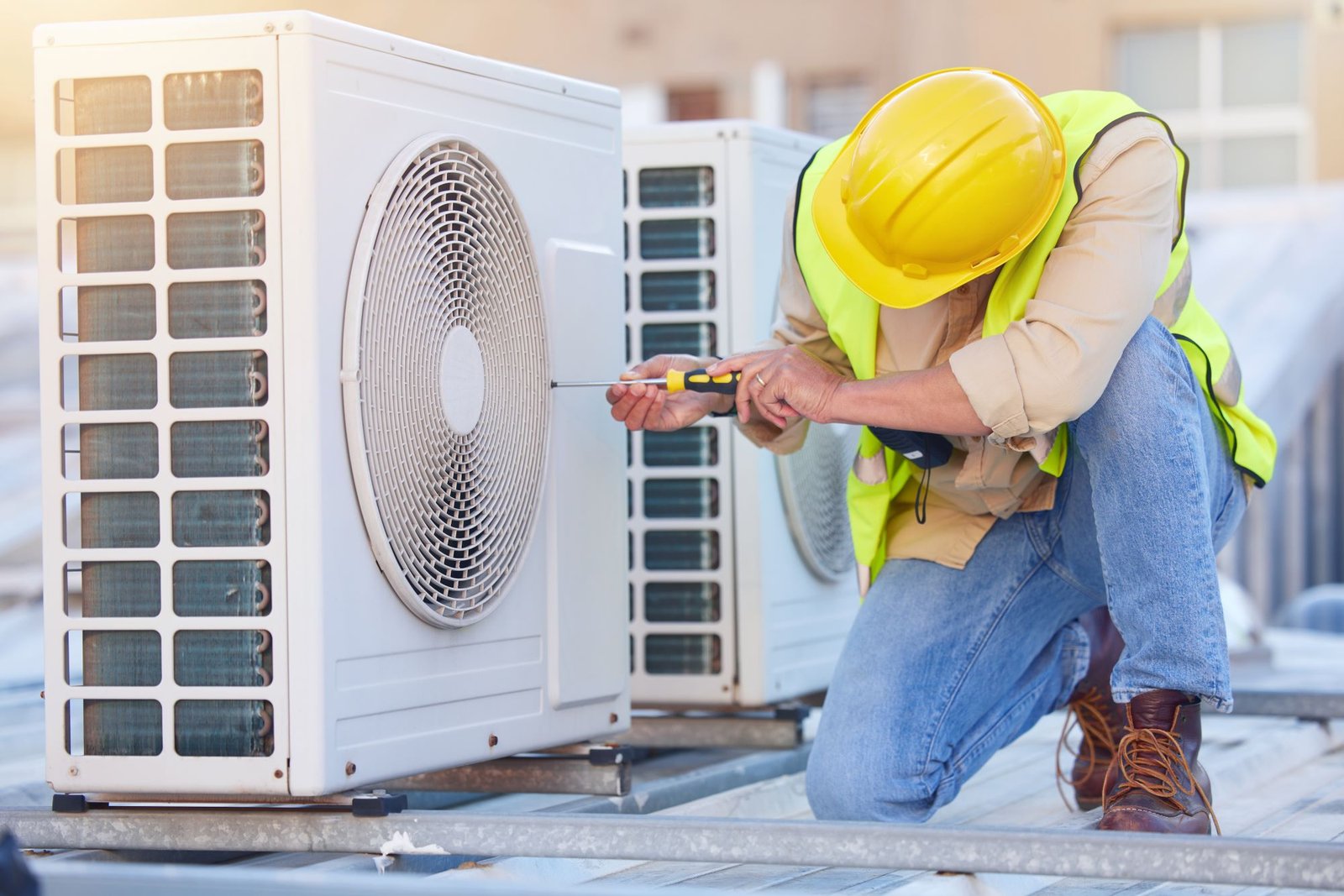
Working as an HVAC technician can be a rewarding career, but it’s important to remember that it also comes with inherent risks. This guide provides 15 essential safety tips to help you minimize these risks and ensure a safe work environment.
Understanding the Risks
While statistics show that HVAC technician positions are generally safer compared to other trade jobs, accidents and injuries can still occur. According to the U.S. Department of Labor, in 2020, there were over 7,900 reported work injuries for HVAC technicians. The most common injuries included sprains, strains, cuts, fractures, and chemical burns.
15 Essential Safety Tips
- Gear Up: Protecting your face and eyes is crucial. Always wear safety glasses or a face shield to prevent injuries from flying debris or hazardous materials.
- Breathe Easy: Use a respirator with a HEPA filter or a face mask to avoid inhaling harmful substances like mold, chemicals, or even airborne illnesses from clients.
- Suit Up for Safety: Personal protective equipment (PPE) is essential. This includes:
- Inner nitrile gloves: Protect your hands from accidental contact with harmful substances.
- Heavy-duty work boots: Shield your feet from dropped tools or equipment.
- Hard hat: Protect your head from potential hazards, especially in risky environments.
- Inspect Before You Connect: Ensure all equipment and tools are in proper working order before use. Regularly inspect for defects or damage, and never use faulty equipment.
- Right Tool, Right Job: Using the wrong tool can be dangerous. If you find yourself missing a necessary tool, don’t improvise. Inform the client and obtain the proper equipment before proceeding.
- Know Your Limits: Don’t take on jobs you’re not qualified or trained for. If a task seems beyond your skillset, redirect the customer to a more experienced technician. Consider acquiring additional training to expand your capabilities in the future.
- Remember Your Electrical Training: Electrical work carries a high risk of injury. Always adhere to electrical safety guidelines:
- Wear work gloves for shock protection.
- Remove jewelry and synthetic clothing before working on electrical equipment.
- Turn off power completely before starting work.
- Lockout equipment to prevent accidental reactivation.
- Never work in wet conditions.
- Follow manufacturer instructions carefully.
- Be aware of warning signs like blown fuses, burning odors, flickering lights, buzzing sounds, hot wires, and tripping circuits. In such situations, proceed with extreme caution.
- Chemical Safety Matters: Always handle chemicals with care:
- Store chemicals in their original containers.
- Never mix chemicals.
- Use chemicals in well-ventilated areas.
- Wear gloves when handling chemicals.
- Keep lids on containers when not in use.
- Wear protective clothing and masks to prevent spills or inhalation of fumes.
- Be familiar with proper chemical transport regulations.
- Assess the Environment: Before starting work, thoroughly inspect the job site. Look for potential hazards like slippery floors, electrical dangers, or children or pets in the vicinity. Address any safety concerns before proceeding.
- Recognize Fatigue: Long working hours can lead to fatigue, affecting focus and reaction time. Be aware of the signs of fatigue, such as difficulty concentrating or keeping your eyes open. If you feel tired, pause the job and head home. Prioritize getting enough rest and avoid scheduling excessively long workdays.
- Drive Defensively: Speeding or reckless driving increases the risk of accidents. Always prioritize safe driving practices.
- Ladder Safety is Paramount: When using ladders, follow the three-point rule: maintain three points of contact (two hands and one foot or two feet and one hand) with the ladder at all times for optimal balance.
- Slow and Steady Wins the Race: Rushing through a job can lead to mistakes and injuries. Take your time, prioritize quality work, and focus on safety over speed.
- Team Up with Trained Professionals: If working with other technicians, ensure they are properly trained and certified. Your safety also relies on their adherence to safety protocols.
- Leave When Necessary: If you feel unsafe due to risky conditions, aggressive customers, or any other reason, don’t hesitate to leave the job site. Your safety is paramount.
Beyond the Basics: Building a Culture of Safety
- Regular Safety Training: Regularly attend safety training courses to stay updated on the latest safety standards and protocols.
- Safety Reminders: Keep a safety reminder sheet handy to review before entering any job site.
- Pack Prepared: Always carry extra PPE in your work vehicle to ensure you have backups in case of damage or loss.
- Track Your Time: Monitor your working hours to avoid excessive overtime that can lead to fatigue.
- Financial Security: Consider obtaining insurance to provide financial protection in case of an accident.
- Accurate Estimates: Providing accurate estimates to clients upfront helps to minimize billing disputes and potential confrontations.
Finding Success Through Safety
By prioritizing safety and adhering to these best practices, you can significantly reduce the risk of accidents and injuries throughout your HVAC career. Remember, a safe work environment benefits not only you, but also your clients and anyone else in the vicinity.
Partnering for Success
While this guide equips you with valuable safety knowledge, finding new clients is also crucial for your business growth. ReDo can help! We connect HVAC technicians with high-quality, pre-screened leads in your area. With a focus on safety and the right connections, you can ensure a successful and thriving HVAC business.